Carving Life from Alpine Grain

Today we journey into the Hand-Carved Woodcraft Traditions of Gorenjska: From Larch to Everyday Utensils, celebrating forests that cling to bright slopes and households warmed by sturdy, useful beauty. Meet artisans who read resin lines like weather, choose wood with patience, and turn mountain silence into spoons, bowls, and tools that feel immediately familiar in the hand and wonderfully present at the table.

From Mountain Forest to Workbench

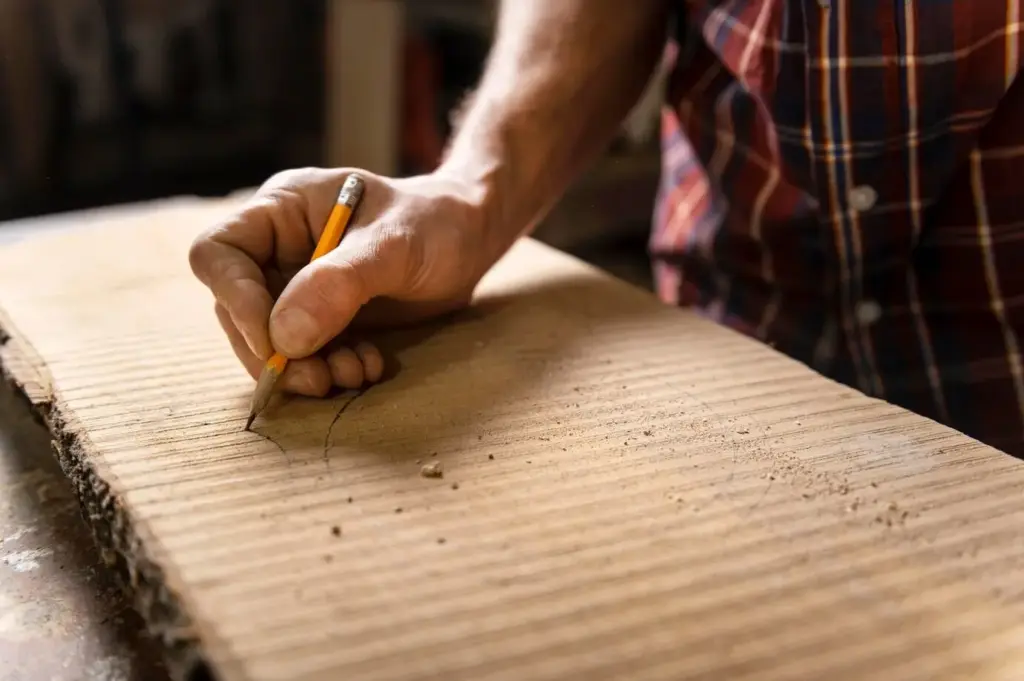
Walk the high trails where larch stands shoulder to shoulder with spruce, and understand why villagers choose it for objects that must endure wet kitchens, alpine porches, and long winters. Selection begins with storms, windfall, and permissioned cuts, continues with careful splitting along the grain, and ends with quiet racks where billets season slowly, smell faintly of resin, and promise faithful service for years of meals and gatherings.

Tools that Shape Memory

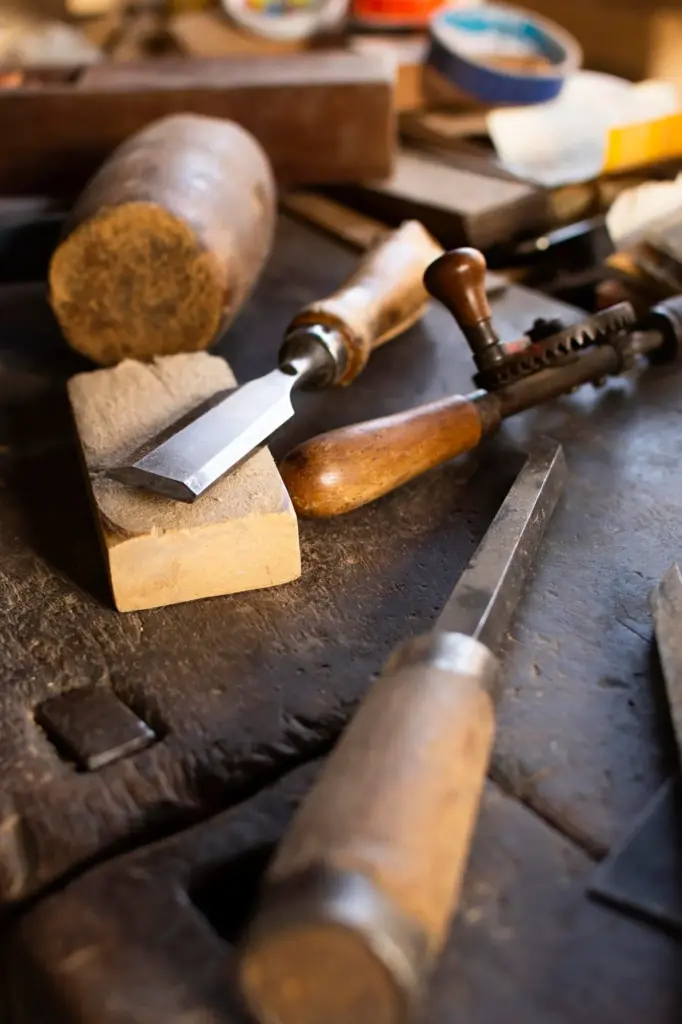
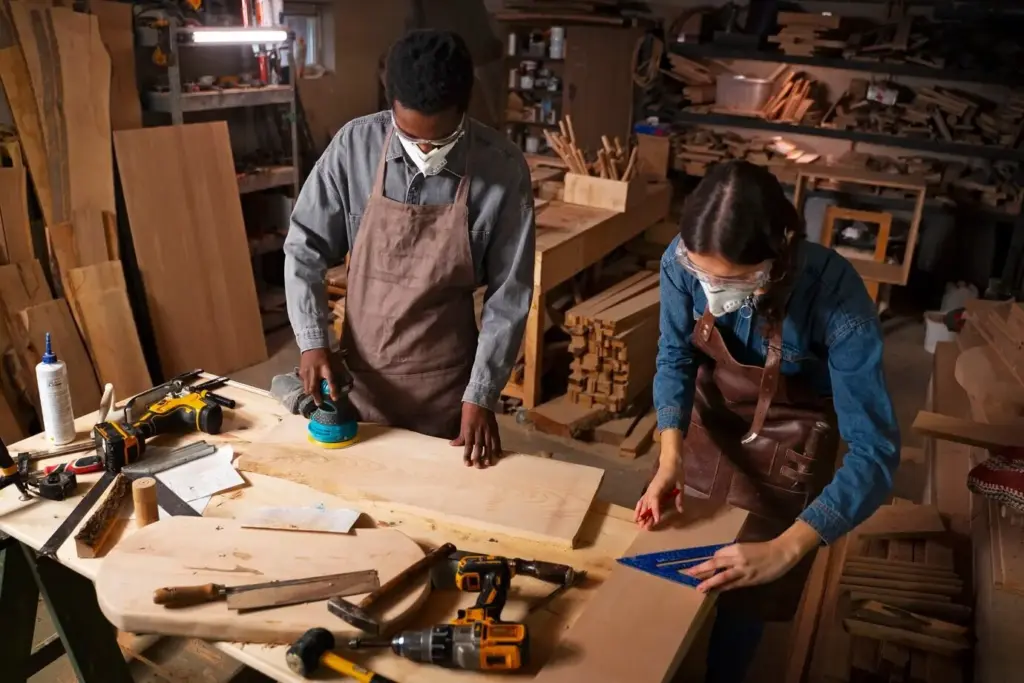
Every bench carries a small constellation of steel—axe, adze, drawknife, spokeshave, sloyd and hook knives—each with a distinct voice and purpose. Held correctly, they sing through fibers and leave surfaces that ask for fingertips. In Gorenjska, tools pass between generations with quiet ceremonies: a new strop cut, a fresh wedge tapped home, a first spoon marked inside the bowl where no eye sees, only hand remembers.

Forms for the Hearth and Pasture

Spoons and Ladles for Hearty Stew

A good spoon wears a gentle crank to keep fingers clear of pot rims and heat, its bowl thin but not fragile, heavy enough to stir dumplings and light enough for delicate sauces. Larch grants springy strength; beech or maple sometimes join for edges needing extra refinement. Finishing cuts aim for satin that needs no sanding, because fibers left intact resist staining and release flavors without harboring yesterday’s onions in secret crevices.

Bowls, Trenchers, and Shared Meals

Trenchers begin as sturdy slabs, corners softened to invite hands and crumbs. Bowls may be adze-carved from green rounds, their ovals guided by growth lines that want to be seen. These pieces live at the center of tables where talk lingers. Knife marks accumulate like travel stamps, reminding diners that nourishment includes story. A well-loved surface becomes the map of a family’s appetite, with low places polished by ladles and elbows.

Cheese and Butter Tools from the Alpine Pastures

Dairy life shaped utensils with specific intentions: paddles for churning, perforated scoops for curds, and carved molds that press butter into rosettes announcing season and farm. Makers burnish contact surfaces until they gleam, easing release and cleaning. Subtle geometric marks distinguish one household’s produce from another, becoming signatures that neighbors recognize at markets. In mountain huts, such tools hang within arm’s reach, their edges witness to songs cooling milk beside evening fires.

Geometry, Motifs, and Quiet Ornament

Decoration whispers rather than shouts. Chip-carved stars catch lamp light, borders guide eyes along handles, and small rosettes gather where thumb and forefinger naturally rest. Motifs travel between valleys, absorbing stories on market days, then returning home a little changed. In Gorenjska, restraint rules: patterns protect edges, strengthen fibers, and invite touch without compromising utility. Ornament is considered successful when it disappears into function until a smile pauses to notice.

Finishes, Care, and a Lifetime of Use

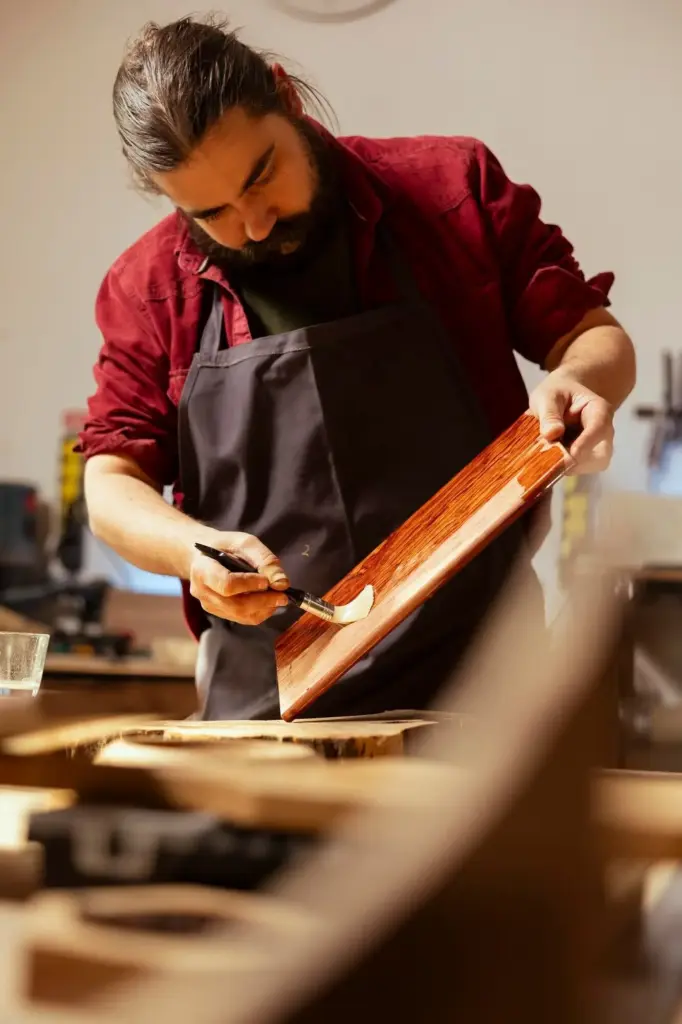
Good care begins with food-safe oils—linseed, walnut, or blends enriched with beeswax—that feed thirsty fibers and heighten warm grain. Avoid harsh detergents, standing water, and impatient dishwashers that punish edges and joints. Instead, wash promptly, dry with attention, and oil when the surface looks tired. With such habits, utensils darken beautifully, grow silkier under fingertips, and carry gentle gloss earned by service rather than varnish, becoming companions rather than objects.


Stories from the Bench

Craft grows stronger through memory. In tile‑stove warmth, a grandfather in a Bohinj kitchen once traced grain with a child’s finger, saying, “Read this like wind on snow.” Markets in Škofja Loka, with benches crowded by steaming cups, taught comparisons kinder than competition. Each finished ladle leaves the workshop with unseen blessings: may it stir soups that welcome neighbors, and may its handle learn every palm without ever forgetting the first.

Join the Work of Hands

You are warmly invited to step closer to the bench, smell the resin, and feel the grain lift. Ask questions, challenge techniques, and share photographs of pieces that live in your kitchen. Sign up to receive new stories, patterns, and workshop dates. Together we can keep useful beauty near the stove, near the table, and near the heart, ensuring the next ladle feels at home the moment it is lifted.
Zimurekuvokuma
Privacy Overview

This website uses cookies so that we can provide you with the best user experience possible. Cookie information is stored in your browser and performs functions such as recognising you when you return to our website and helping our team to understand which sections of the website you find most interesting and useful.